Licensed & Recognized By Leading Water Quality Authorities



Certified DCVA & RP testing, digital report filing, and full municipal compliance across Central & Western Ontario.
Annual backflow testing is mandatory under Toronto Water By-law (Ch. 851), Peel By-law 10-2017, York By-law 2021-44, and Ontario Building Code standards. Missing your deadline risks fines up to $50,000 and water service shut-off.
Take our 30-second interactive check to determine your property's compliance requirements.
Select your building type to instantly view required backflow preventers, hazard levels, and survey cycles.
Stay informed about Ontario water safety, cross-connection control, and annual deadlines.
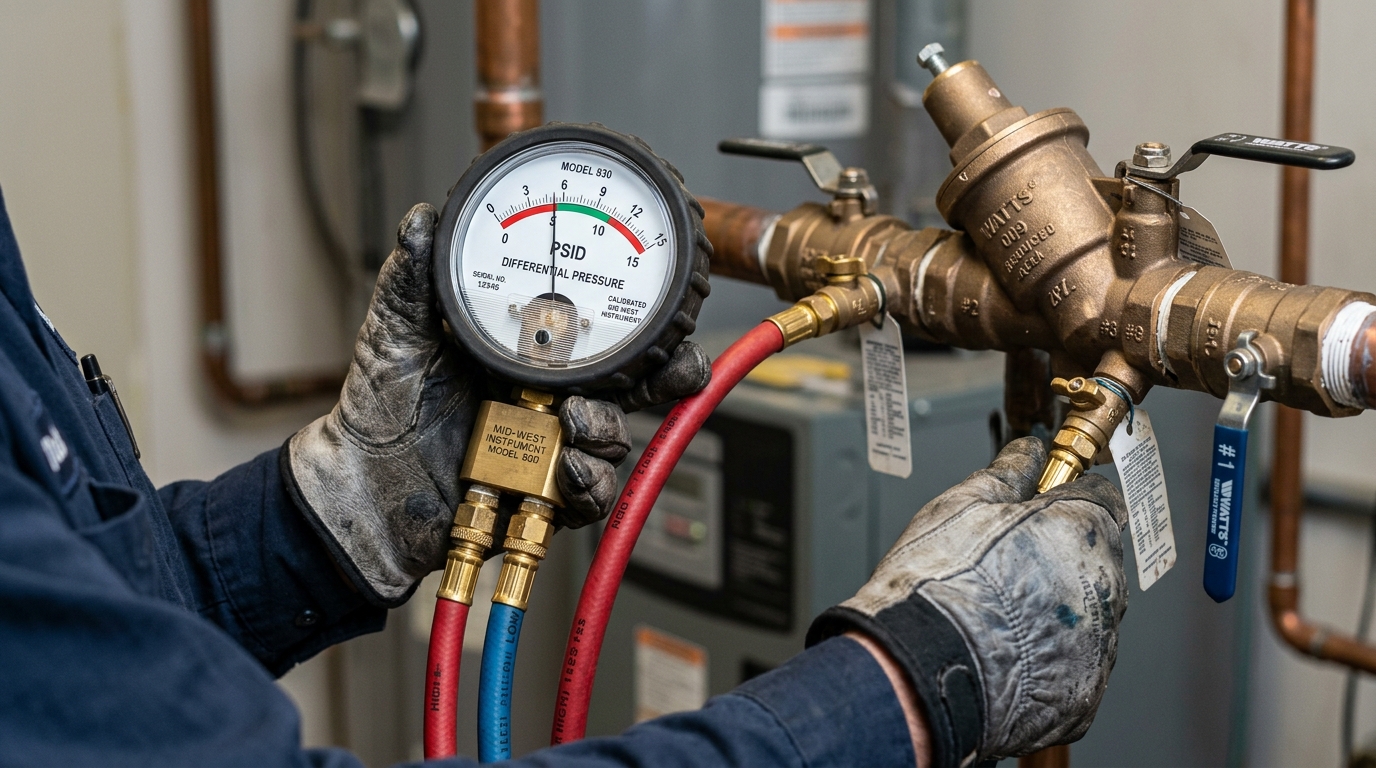
1,250-word guide on hydraulic backflow mechanics, case studies, and Ontario bylaws.
Read Article →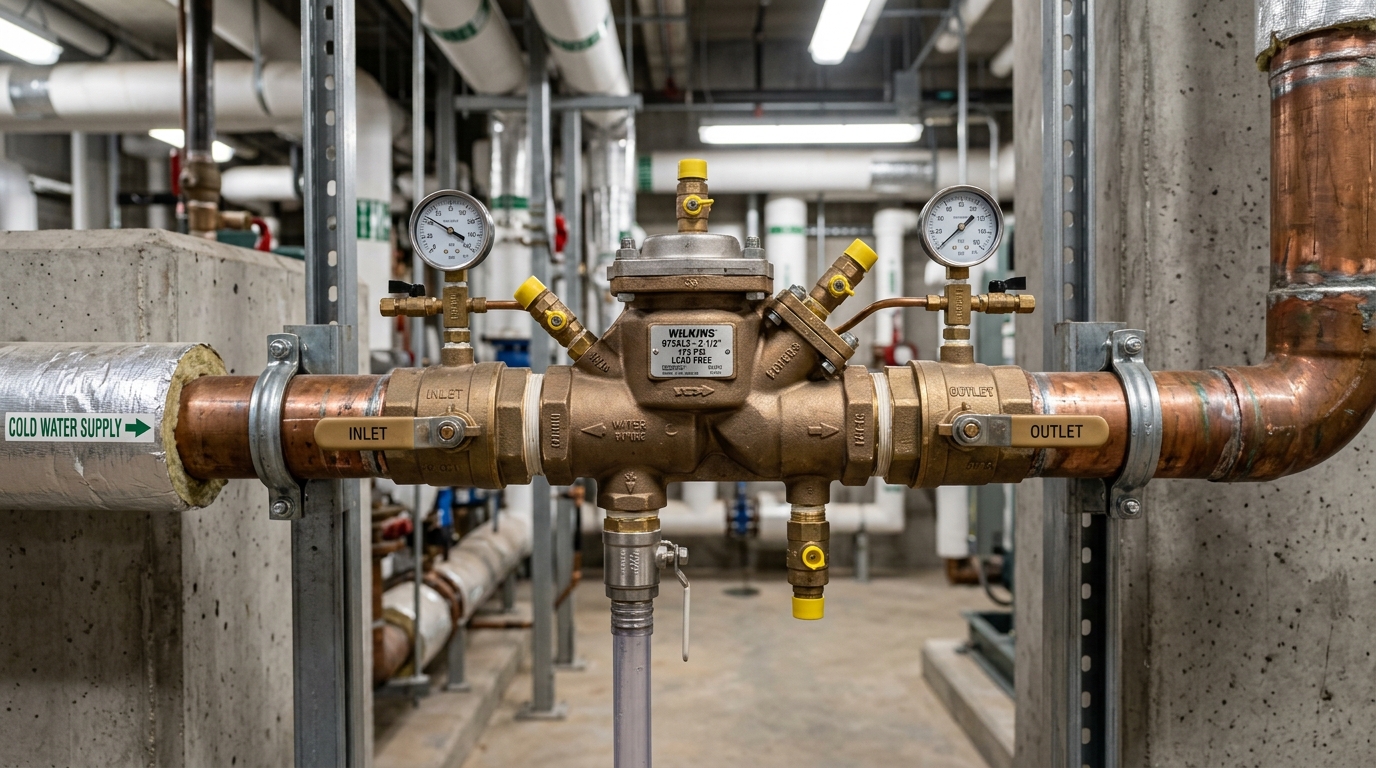
1,300-word analysis of documented chemical cross-connections and propane ingress.
Read Case Studies →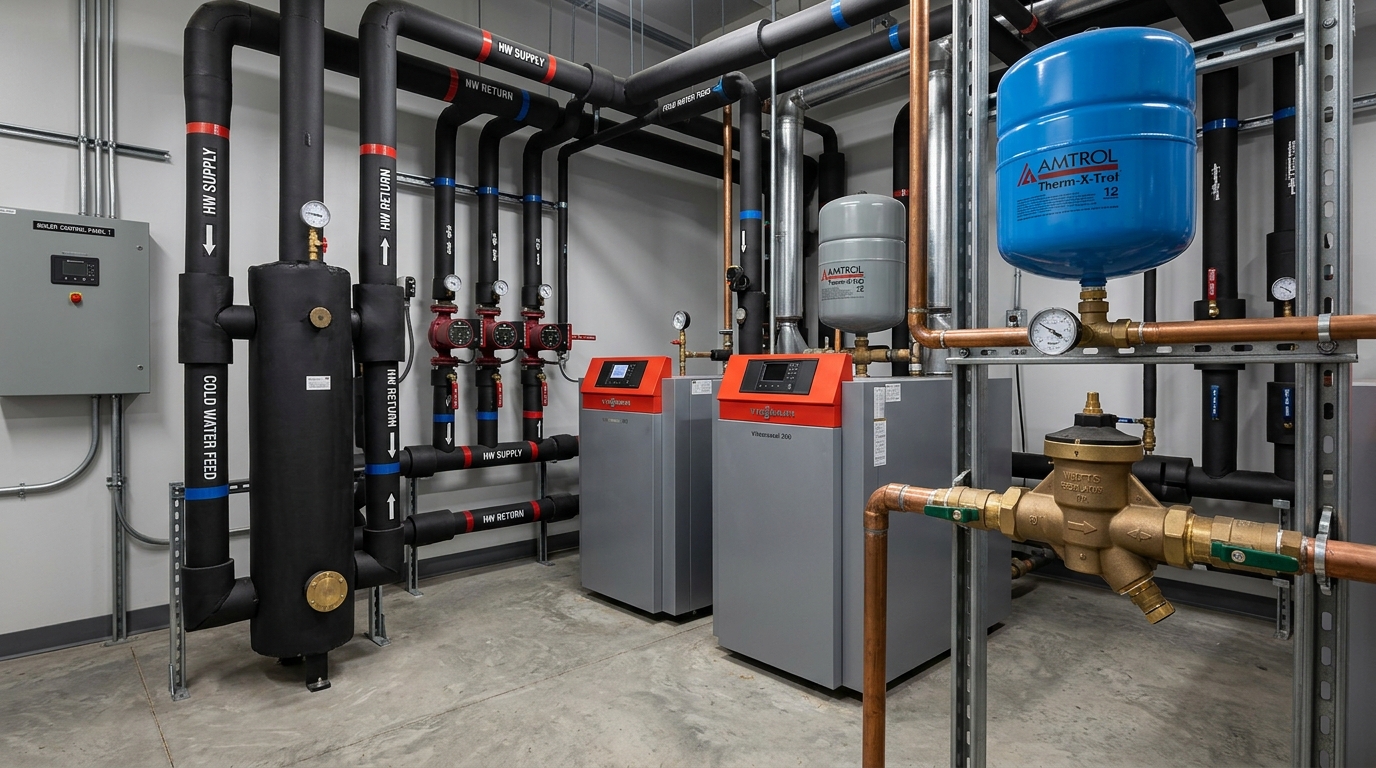
1,350-word audit manual covering CSA B64.10 standards and hazard tables.
Read Audit Guide →Select your region or city to view specific backflow bylaws, reporting portals, and deadlines.

Toronto Municipal Code Ch. 851. Mandatory annual testing for commercial & multi-res.
View Toronto Bylaws →
Peel By-law 10-2017. 60-day survey deadline and 14-day annual report window.
View Mississauga Bylaws →
Peel By-law 10-2017. Mandatory annual testing for logistics & commercial hubs.
View Brampton Bylaws →
York By-law 2021-44. Annual device testing and 5-year survey cycles.
View York Bylaws →
City of Hamilton By-law 10-103. Annual device inspection and survey submission required.
View Hamilton Bylaws →
Kitchener, Waterloo & Cambridge municipal backflow programs under OBC standards.
View Waterloo Bylaws →
Regulated by City of London Water By-law W-8. Annual testing by registered testers mandatory.
View London Bylaws →One certified team handling testing, surveys, repairs, and digital municipal filings.
Certified DCVA & RP assembly testing with digital reports, physical device tagging, and direct municipal submission.
Learn More →Facility-wide audits required every 5 years by Ontario municipalities to classify hazard levels and specify devices.
Learn More →Fast 24-48 hour response for municipal warning letters, failed test repairs, and urgent report filings.
Learn More →Fast repairs for failed devices to keep you compliant within municipal grace periods. New installations with permits.
Learn More →Expert answers to common questions about Ontario backflow bylaws, testing, repairs, thermal expansion, and penalties.
Owners of commercial, industrial, institutional, and Part 3 multi-residential properties (condos/apartments) are legally required under municipal bylaws (e.g. Toronto Code Ch. 851, Peel By-law 10-2017, York By-law 2021-44) to have all backflow prevention assemblies tested annually by a certified professional.
A backflow preventer is installed on the incoming potable drinking water line to protect the city water supply from chemical or biological contamination. A backwater valve is installed on the outgoing sanitary sewer pipe to prevent municipal sewage from backing up into your building basement during storm events.
A Double Check Valve Assembly (DCVA) uses two check valves for low-risk applications (standard office plazas, retail). A Reduced Pressure Principle Assembly (RPZ) adds a differential relief valve between check valves for high-hazard applications (chemical lines, boilers, cooling towers, irrigation).
If a device fails testing, you receive a municipal grace period (typically 14 to 30 days depending on the city) to complete repairs and retesting. Our technicians carry common replacement rubber check kits and relief valve seals to perform fast, same-day repairs.
Ignoring municipal backflow notices can result in set court fines of $100 to $500 per day, formal bylaw infraction notices, legal fines up to $50,000 under Toronto Code Ch. 851, and emergency municipal water service shut-off.
Yes, new backflow preventer installations or major replacements require a plumbing building permit under Ontario Building Code Section 7.1.5 and local municipal plan review.
A Cross-Connection Control Survey is a facility-wide audit conducted by an OWWA-certified specialist every 5 years to inspect all water connections, assess hazard levels, and mandate required premise or point-of-use isolation devices.
Only licensed plumbers carrying active OWWA (Ontario Water Works Association) Cross-Connection Control Certification using NIST-calibrated test gauges and registered on the local municipal approved tester registry.
Our certified OWWA technicians complete digital test reports and submit them directly to Toronto Water, Peel Region, York Region, Hamilton, Waterloo, or London on your behalf, providing you with a copy for your records.
A backflow preventer creates a closed plumbing system. When water inside a hot water tank heats up and expands, it can no longer bleed backward into the municipal water main. Without a thermal expansion tank, internal plumbing pressure can spike, causing relief valve discharge or pipe damage.
Outdoor backflow assemblies (such as irrigation PVBs or RPZs) must be winterized before the first hard freeze. This involves isolating the water supply, blowing out residual water with compressed air, opening all test cocks, and installing thermal insulation enclosures.
Atmospheric Vacuum Breakers (AVB) cannot be subjected to continuous water pressure for more than 12 hours and cannot have shut-off valves downstream. Pressure Vacuum Breakers (PVB) feature spring-loaded check valves and test cocks, allowing continuous pressure operation.
Annual backflow testing costs depend on the number of assemblies, device size, facility accessibility, and municipal filing fees. Portfolio pricing discounts are available for multi-building property managers.
The property owner/landlord is legally responsible for premise isolation at the main incoming water meter. Commercial tenants with specialized high-hazard equipment (dental chairs, hair salon wash stations, commercial kitchens) must maintain point-of-use devices.
A dripping relief port on an RPZ assembly indicates a fouled check valve seat, mineral scale deposit, or fluctuating inlet water pressure. Immediate cleaning or rubber seal replacement by a certified technician is required to prevent water waste and valve damage.
The legal liability for backflow compliance rests with the current property owner. During a sale, the buyer's lawyer should request the latest 'Annual Backflow Test Report' and 'Cross-Connection Survey' to ensure there are no outstanding municipal orders or costly required replacements.
With proper annual maintenance and winterization, a brass backflow preventer body can last 15 to 25 years. However, the internal rubber check valves and springs degrade and typically require rebuilding every 5 to 7 years depending on water pressure and quality.
No. Even if your maintenance staff are licensed plumbers, they cannot legally test the device unless they hold an active OWWA Cross-Connection Control Specialist certification, possess a calibrated test gauge, and are registered with the local municipality.
The most common reasons for failure are debris (sand, pipe scale) fouling the first check valve, worn or torn rubber discs inside the check valves, and relief valve springs that have lost their tension over time.
Municipalities do not mandate specific brands (like Watts, Wilkins, or Apollo), but they do mandate that the device must meet the CSA B64 Series standard and be verifiable for testing. We recommend installing brands with readily available replacement parts in Ontario.